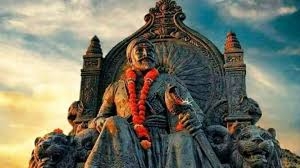
छत्रपती शिवाजी महाराजांची राजनीती (Governance & Leadership of Chhatrapati Shivaji Maharaj)

Study Chhatrapati Shivaji Maharaj's administration, fort management, military systems & leadership. Expert lectures on Maratha governance relevant to modern public policy.

Course Instructor: Bhandarkar Oriental Research Institute

₹1700.00

छत्रपती शिवाजी महाराजांची राजनीती | BharatVidya

छत्रपती शिवाजी महाराजांची राजनीती

Governance & Leadership of Chhatrapati Shivaji Maharaj

छत्रपती शिवाजी महाराजांच्या राजकीय कल्पना इतक्या व्यापक आणि दूरगामी होत्या की त्यामध्ये कोणताही फेरफार न करता आपण आजच्या परिस्थितीतही त्यांचे अनुकरण करू शकतो.

प्रजेला शांतता, सहिष्णुता, सर्वांना समान संधी, कार्यक्षम आणि शुद्ध राज्यकारभार पद्धती, व्यापार वृद्धीसाठी आरमार, तसेच मायदेशाच्या रक्षणासाठी लढाऊ लष्कर — ही महाराजांच्या राजकारणातील मूलभूत ध्येये होती.

महाराष्ट्रातीलच नव्हे तर महाराष्ट्राबाहेरच्या प्रतिभावंतांनाही, गुणवत्ता असेल तर, शिवाजी महाराजांकडे काम करण्याची संधी प्राप्त होई. त्यांच्या कार्यपद्धतीने राज्यकारभार सर्व क्षेत्रांना स्पर्श करून प्रजेची सर्वांगीण उन्नती साधली. आधुनिक राज्याने अनुसरण्यास योग्य अशी शासन-व्यवस्था महाराजांनी प्रत्यक्ष अंमलात आणली.

या व्याख्यानमालेमध्ये शिवाजी महाराजांच्या राज्यकारभाराचा, निर्णय-प्रक्रियेचा, नेतृत्वशैलीचा, आणि आधुनिक प्रशासनाशी त्यांचा संबंध यांचा सखोल ऊहापोह केलेला आहे.

के

व्याख्याते

डॉ. केदार महादेवराव फाळके

Course Curriculum

1 Subject

छत्रपती शिवाजी महाराजांची राजनीती

24 Learning Materials

१. प्रशासकीय सुधारणा : Administrative Reforms

अ. परिचय व विहंगावलोकन : Introduction and Overview

Video
00:36:34

ब. वतनदारी व्यवस्था : The 'Watandari' System

Video
00:38:34

क. जमीन महसूल पद्धती : Land Revenue System

Video
00:31:32

ड. शिवरायांची करव्यवस्था : The Tax System

Video
00:32:41

२. दुर्ग व जल व्यवस्थापन : Fort and Water management systems

अ. दुर्ग व्यवस्थापन : Management of Forts

Video
00:46:10

ब. जल व्यवस्थापन : Water management systems

Video
00:13:57

३. लष्करी प्रशासन : Military Administration

अ. घोडदळ व पायदळ : Cavalry and Infantry

Video
00:20:15

ब. वार्षिक नियोजन : Military planning and campaign

Video
00:19:04

क. जाणता राजा : Conscientious King

Video
00:13:14

ड. स्वराज्याचे आरमार - भाग १ : The Maratha Navy - Part 1

Video
00:23:16

ड. स्वराज्याचे आरमार - भाग २ : The Maratha Navy - Part 2

Video
00:27:30

४. राज्याचा पाया : Foundations of the empire

अ. राज्याभिषेक - पाश्वभूमी : Coronation - Backdrop

Video
00:25:39

ब. राज्याभिषेक - प्रशासान आणि न्यायव्यवस्था : Coronation - Administration and Judicial systems

Video
00:14:50

क. नियोजन (व्यवस्थापन) : Management and planning of the empire

Video
00:32:37

ड. नियोजन (निर्णय प्रक्रिया) : Decision making

Video
00:28:03

५. सक्षम नेतृत्व : Able Leadership

अ. नेतृत्व गुण (भाग १) : Hallmarks of Leadership (Part 1)

Video
00:31:49

ब. नेतृत्व गुण (भाग २) : Hallmarks of Leadership (Part 2)

Video
00:26:48

क. दळणवळण व संपर्क यंत्रणा (भाग १) : Communication, Intelligence and Logistics (Part 1)

Video
00:23:41

ड. दळणवळण व संपर्क यंत्रणा (भाग २) : Communication, Intelligence and Logistics (Part 2)

Video
00:25:04

इ. दळणवळण व संपर्क यंत्रणा (भाग ३) : Communication, Intelligence and Logistics (Part 3)

Video
00:16:54

६. भविष्यवेधी व शाश्वत धोरणे आणि परिणाम : Relevance of Chh. Shivaji's systems in today's world

अ. भविष्यवेधी व शाश्वत धोरणे आणि परिणाम (भाग १) : Part 1

Video
00:24:30

ब: भविष्यवेधी व शाश्वत धोरणे आणि परिणाम (भाग २) : आव्हाने व प्रतिसाद Part 2

Video
00:15:01

क. भविष्यवेधी व शाश्वत धोरणे आणि परिणाम (भाग ३) : युद्धनीती Part 3

Video
00:25:25

ड. समारोप : Conclusion

Video
00:27:27
Governance & Leadership of Chhatrapati Shivaji Maharaj | BharatVidya

Governance & Leadership of Chhatrapati Shivaji Maharaj

A Study in Statecraft, Administration & Visionary Rule

This course presents a detailed study of the governance model, administrative vision, and leadership philosophy of Chhatrapati Shivaji Maharaj. Each module examines a major civilizational pillar of the Maratha state — from administration, revenue, and justice systems to military organisation, infrastructure, maritime trade, and social inclusion. Through a modern lens, the course demonstrates how Shivaji Maharaj created a stable, ethical, inclusive, and resilient model of statecraft that remains relevant for contemporary governance and public leadership.

Drawing from archival references, historical evidence, and documented practice, this lecture series analyses why Shivaji Maharaj's systems were not merely tactical, but deeply institutional and future-ready — designed to protect the homeland, empower citizens, and stimulate commerce while maintaining justice and civil harmony.

Presented by Dr. Kedar Mahadevrao Phalke

Modules Covered

1

Administrative Reforms

Civil administration under Shivaji Maharaj: reforms in revenue systems, judicial procedures, village-level governance, fairness in appointments, transparency in operations, and the construction of a stable reporting hierarchy ensuring merit, justice, efficiency, and accountability.

2

Fort & Water Management

Fort architecture, surveillance systems, supply chain planning, intelligence coordination, and strategic geography. Also covers water conservation, damming, lake planning, and irrigation structures supporting agriculture, defense, and civilian life.

3

Military Administration

Military leadership, rapid-response warfare, naval expansion, infantry–cavalry coordination, logistics, recruitment policy, fort security doctrines, and ethical wartime conduct. Emphasis on discipline, preparedness, and tactical brilliance.

4

Foundations of the Empire

Transforming fragmented socio-political environment into a structured, visionary empire: land reforms, inclusive recruitment, village empowerment, cultural continuity, economic upliftment, and multi-layer administrative design for institutional stability.

5

Able Leadership

Leadership philosophy: clarity of purpose, emotional intelligence, strategic delegation, ethical decision-making, and deep respect for diversity, public dignity, and religious coexistence. Empowering talent based on merit, loyalty, and competence.

6

Relevance in Today's World

How Shivaji Maharaj's administrative philosophies, civil ethics, decentralised planning, inclusion policy, and maritime vision remain relevant for modern governance, defense, bureaucracy, rural empowerment, and conflict management.

Related Courses