
PL. 1Mohenjo-daro, Sindh · the Great Bath and the Stupa mound
Online Course · Self-Paced
Fundamentals of Archaeology
Unearth humanity's origins through scientific evidence
A comprehensive introduction to archaeology—from prehistoric sites like Bori to the Indus Valley civilization. Learn excavation techniques, dating methods, and how physical evidence reveals the story of human civilization. Move beyond speculation into the science of reconstruction.
₹1,800
One-time payment
- 10 LecturesVideo Content
- ~12 HoursDuration
- BeginnerLevel
- EnglishLanguage
- CertificateFrom BORI
Course Overview
Why Archaeology Matters
Archaeology works with evidence that stands firm against speculation. It reveals how humans built, lived, created and believed through the physical traces preserved in landscapes, soils, and stones.
This course provides a scientific lens to decode this evidence. Move beyond memorising dates into understanding how history is reconstructed, corrected and rediscovered.
The Indian subcontinent holds one of the richest archaeological records on Earth, extending from prehistoric landscapes to complex urban civilisations. From Bori in Pune district to Odisha and the Upper Ganga valley—this course places India within a global narrative of human innovation, while spotlighting what makes the subcontinent extraordinary.
Ideal for —students of archaeology, history and anthropology; UPSC aspirants seeking evidence-based foundations; museum and heritage enthusiasts; and curious minds who value science over speculation. No prior technical background required.
Designed and delivered by Dr. Pramod Joglekar, Director of the Infosys Academic Program at BORI.
Learning Outcomes
What You Will Explore
- F.01Prehistoric sites like Bori and key north-south corridors of human migration and adaptation in India
- F.02Dating techniques, faunal analysis, seeds, pollen, forensic signatures and climate clues—the science under the soil
- F.03How ceramics, architecture, burials and residues reveal social transformation through the science of reconstruction
- F.04The Indus Valley Civilization sites and other unique archaeological sites from India and abroad
- F.05The icons of archaeology—pioneers who uncovered lost civilisations and shaped this science globally and in India
- F.06Heritage ethics and interpretation—responsible archaeology and how raw data transforms into historical narrative
Course Structure
Complete Curriculum
- 01What is Archaeology and How It Is Related to Our Past?
- 02Stages of Archaeology
- 03Archaeological Sites and Records
- 04Branches of Archaeology - Part 1
- 05Branches of Archaeology - Part 2
- 06Methods of Finding Sites and Excavation Techniques
- 07Methods of Digging, Artefacts and Ecofacts
- 08Physical Sciences in Archaeology
- 09Biological Sciences in Archaeology
- 10Pseudo-Archaeology

Your Instructor
Dr. Pramod Joglekar
Archaeologist & Researcher
Dr. Pramod Joglekar is a veteran archaeologist with decades of experience in teaching, research, on-site excavation and scientific interpretation of excavated remains. His work spans prehistoric sites across India, contributing significantly to our understanding of early human settlement patterns.
Currently serving as Director of the Infosys Academic Program at the Bhandarkar Oriental Research Institute, Dr. Joglekar is a widely published scholar and author whose expertise bridges fieldwork and academic interpretation.
- Decades of Field Experience
- Published Scholar
- BORI Director
Questions
Common Questions
Do I need any prior knowledge of archaeology?
No prior technical background is required. This course is designed as a comprehensive introduction, building systematically from foundational concepts. All technical terms are explained in context.
What is archaeology?
Archaeology is the scientific study of human history and prehistory through the excavation and analysis of physical remains—artifacts, structures, and environmental data. It provides evidence-based insights into how past societies lived, worked, and evolved.
Is this course relevant for UPSC preparation?
Yes. This course provides evidence-based foundations for understanding Indian history and civilization, particularly useful for Ancient Indian History topics in UPSC. It goes beyond textbook facts to explain how historical knowledge is established through archaeological evidence.
How long do I have access to the course?
You have lifetime access to all course materials. Watch at your own pace, revisit any lecture whenever you wish, and return to refresh your knowledge anytime.
Is there a certificate?
Yes, upon completing the course you will receive a verified certificate from BharatVidya and BORI that you can share on LinkedIn or include in your professional portfolio.
Continue
Related courses
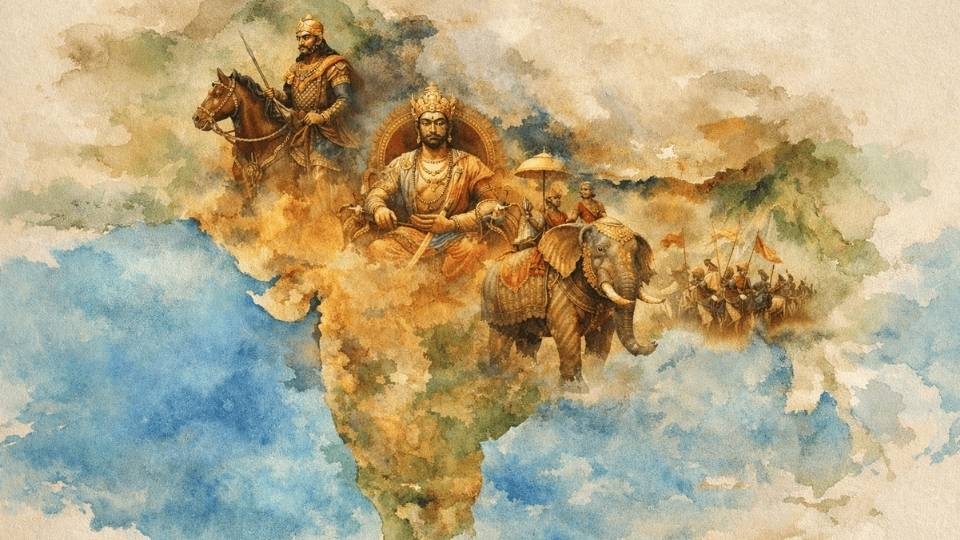
Ancient Indian Dynasties
Mauryas, Guptas, Cholas, Chalukyas, and beyond — how India's major dynasties rose, governed, and shaped the subcontinent. No prerequisites. Self-paced.

Bharatvarsh: The Geography of Ancient India
What was India before it was India? The geography of Bharatvarsha as described in the Vedas, Epics, and Puranas — from Jambudvipa to the modern nation.

Silk Route & Frontiers of India
Ancient trade routes to modern frontiers. A course on the history and geopolitics of India's borders — Silk Road, Himalayan passes, and maritime routes.
Evidence that stands firm against speculation
From the first stone tools to the Indus cities. Your guided journey into archaeology starts here.
₹1,800
Start the CourseLifetime access · BORI certificate · Self-paced
By clicking on Continue, I accept the Terms & Conditions,
Privacy Policy